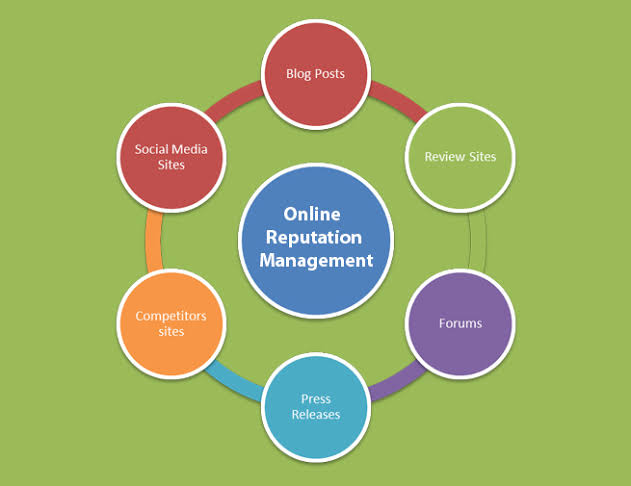
In today’s digital economy, small business reputation management has become one of the most important factors influencing customer trust, purchasing decisions, and long-term business growth. Consumers no longer rely solely on advertising; instead, they research reviews, social media discussions, search results, and customer experiences before making buying decisions. For small businesses competing against larger brands, a strong reputation can become a significant competitive advantage.
According to recent consumer behavior studies, most customers read online reviews before engaging with a local business, and many consumers trust online reviews almost as much as personal recommendations. This means your reputation is no longer something you manage occasionally, it requires continuous attention and strategic planning.
Let’s explore ten practical strategies that can help businesses build, protect, and strengthen their reputation in 2026 and beyond.
A business’s reputation affects nearly every aspect of its success, including:
Unlike large corporations with extensive marketing budgets, small businesses often rely heavily on word-of-mouth referrals and online reviews. This makes reputation management for small businesses a critical component of overall business strategy.
The first step in protecting your reputation is knowing what people are saying about your business.
Monitor:
Tools such as Google Alerts, social listening software, and reputation monitoring platforms can help businesses track conversations and identify potential issues before they escalate.
Regular monitoring allows businesses to respond quickly and demonstrate that customer feedback matters.
One of the most effective reputation management tips is to respond to all customer reviews, whether positive or negative.
Research consistently shows that consumers value businesses that actively engage with customer feedback. A thoughtful response often influences potential customers more than the original review itself.
Satisfied customers often remain silent unless encouraged to share their experiences.
Businesses can increase review volume by:
Search engines also consider review quantity, quality, and recency when determining local search rankings. This means reviews contribute to both reputation and visibility.
However, businesses should never purchase fake reviews or incentivize dishonest feedback, as this can damage credibility and violate platform policies.
No marketing strategy can compensate for poor customer experiences.
Customer service remains the foundation of effective reputation management for businesses. Businesses should focus on:
Research indicates that customers are often willing to forgive mistakes if companies demonstrate accountability and a genuine commitment to resolving problems.
Exceptional service creates loyal customers who become long-term brand advocates.
Social media platforms have become major drivers of business reputation.
Effective social media strategies include:
Customers increasingly expect businesses to engage with them through social platforms. Active participation helps humanize your brand and build trust.
Strong social engagement also contributes significantly to social media reputation management efforts.
Publishing valuable content helps businesses establish expertise, build trust, and improve search visibility.
Consider creating:
An effective online reputation management guide should always include content marketing because search results often shape first impressions.
Positive content can also help push negative search results lower while strengthening overall brand authority.
For local businesses, Google Business Profile remains one of the most influential reputation assets.
Ensure your profile includes:
Businesses with complete profiles and active review management tend to perform better in local search results.
Additionally, Google has confirmed that review management contributes to local search visibility.
Even well-managed businesses occasionally face negative publicity.
Developing a crisis management plan helps businesses respond effectively during difficult situations.
Your plan should include:
Quick, transparent, and empathetic responses often prevent minor issues from becoming major reputation crises.
Preparation significantly reduces response time when challenges arise.
Beyond reviews, businesses should track broader customer sentiment across digital channels.
Monitor:
Sentiment analysis tools can help identify trends in customer perception over time.
Understanding public sentiment enables businesses to make proactive improvements before issues impact revenue or brand perception.
Successful small business reputation management requires measurable goals and ongoing analysis.
Key performance indicators may include:
Regular reporting helps identify strengths, weaknesses, and opportunities for improvement.
Businesses that measure reputation performance can adapt more quickly to changing customer expectations and market conditions.
Reputation management helps businesses build customer trust, improve online visibility, increase conversions, and strengthen long-term brand loyalty.
Businesses can improve their reputation by responding to reviews, delivering excellent customer service, creating valuable content, and actively monitoring online mentions.
Businesses should monitor reviews and online mentions daily to ensure timely responses and issue resolution.
Negative reviews can impact customer trust and local search performance if businesses fail to respond appropriately.
Popular tools include Google Alerts, Google Business Profile, social listening platforms, review management software, and customer feedback systems.
In today’s highly connected marketplace, reputation is one of the most valuable assets a business can own. Effective small business reputation management requires consistent monitoring, proactive customer engagement, exceptional service, and strategic communication.
Businesses that invest in their reputation build stronger customer relationships, improve brand trust, and create sustainable competitive advantages. Working with experienced digital partners such as Trajital US can also help businesses develop long-term reputation strategies that support continued growth and market success.
For more information or to discuss your digital marketing needs, reach out to us at. Let us help you achieve your business goals with our comprehensive digital marketing solutions.


Copyright © Trajital LLC – All Right Reserved 2025